Morning threshold
First breath of the day
Before the first message, before the first step — a single moment of arrival. Notice where you are without rushing toward where you need to be.
Step into small pockets of calm between activities. This space is designed around transitions, breathing room, and temporal awareness — not tasks, but the quiet spaces between them.
Your day unfolds as a sequence of living moments. Each pause node marks a gentle interruption — a visible invitation to slow down before moving forward.
Before the first message, before the first step — a single moment of arrival. Notice where you are without rushing toward where you need to be.
The space between concentrated work and the next demand. A brief recalibration before attention scatters again.
When momentum slows naturally, meet that deceleration. Allow the day to breathe without filling every gap with activity.
A deliberate boundary between doing and resting. Acknowledge what passed before stepping into quieter hours.
Navigate pause moments rather than pages. Each pathway offers a different quality of attention — discover through flow and movement, not categories.
Most of life happens in transitions — yet we rarely notice them. This system makes those in-between moments visible and valued.

Transitions are not empty time. They are the architecture of a well-paced day. When you honor the shift from one mode to another, you create room for clarity instead of accumulation.
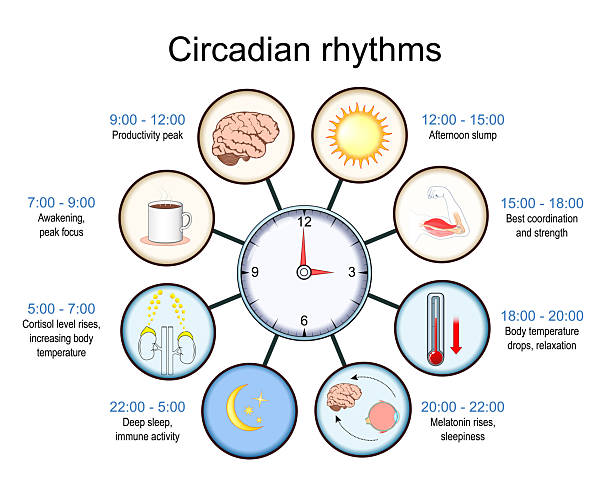
Your interface adapts subtly to the time of day — morning openness, midday stillness, evening quiet. The experience shifts with your natural rhythm.
When attention feels scattered, this gateway offers a gentle invitation to return to presence. It is not a substitute for professional care — only a brief reorientation toward what matters in this moment.
A flowing sequence of contemplative prompts — not journaling assignments, but open invitations to notice.
What shifted in the last hour that you have not yet acknowledged?
Where in your body do you feel the weight of the day gathering?
What would it mean to leave this moment exactly as it is?
Which transition today asked for your attention but received none?
When attention drifts — as it naturally does — these recalibration layers offer a soft return without judgment or pressure to perform.
Presence is not a single state — it shifts, deepens, and loosens throughout the day. Explore where you are right now.
Attention spread wide, taking in the environment without focus on any single point.
Concentrated on a task or thought, with edges that may feel tight or narrow.
A relaxed, receptive state — neither pushing nor pulling, simply allowing.
Standing at the edge of a transition, not yet committed to what comes next.
There is no ideal state to achieve. Each quality of attention serves a purpose. The practice is noticing — not optimizing — how you move through your day.